
Yoga Classes
YOGA CLASSES
Join us for Yoga in Scourie on 1st and 8th September at 6:30pm, supported by the Scourie Development Company. Following these sessions, classes will continue online every Tuesday for four more weeks, also at 6:30pm. A perfect blend of in‑person connection and online convenience.
Self Directed YOGA
The 5 Tibetans Asana’s
The Five Tibetan Rites, often referred to as the "Fountain of Youth," are a series of five yoga-like exercises believed to promote health, vitality, and longevity. Their origins are said to date back over 2,500 years and are attributed to Tibetan monks who practiced them in Himalayan monasteries.
Background:
Discovery: The exercises were introduced to the Western world by Peter Kelder in his 1939 book "The Eye of Revelation." Kelder claimed the rites were taught to him by a retired British army officer who had learned them while living with Tibetan monks.
Purpose: The monks believed the poses activated and balanced the seven chakras (energy centers) in the body, which correspond to the endocrine system. Proper energy flow was thought to slow aging and improve physical and mental health.
Spiritual and Physical Goals: Practicing the rites was said to increase energy flow, enhance flexibility, improve strength, and create a sense of calmness and clarity.
The Five Rites:
Spinning – Stimulates energy flow and balance.
Leg Raises – Strengthens the core and lower body.
Camel Pose Variation – Opens the chest and improves spinal flexibility.
Tabletop Pose – Strengthens the glutes, back, and arms.
Downward Dog to Upward Dog – Enhances circulation and stretches the spine.
Modern Interpretation:
Today, the Five Tibetan Rites are often practiced as a daily yoga sequence to maintain overall well-being. They have gained popularity for their simplicity and effectiveness, requiring only about 10–15 minutes a day for noticeable results.
Here is a link to the main postures and a modified version of them:
Click here for Full 5 Tibetan Poses
Click here for Modified Version of the 5 Tibetans
Chakra Energy Centres - Yin Yoga Classes
PLEASE READ FIRST
When you open the Class link you will find recommended Spotify music tracks to go with the session at the top of the page in blue writing, follow the link and play this first then return to the page with the Class postures on it and press ‘PLAY’ and the class will play with the correct timings for you and play a sound when you need to change posture.
Week 1 - Root Chakra Yin Yoga
The root chakra, also known as Muladhara in Sanskrit, is the first chakra in the body located around the base of the spine. It is the energy point that works with our feeling of balance and grounding.
The associated body parts include the base of the spine, the legs, feet, and large intestine. Postures that stretch and strengthen the legs and feet support the Root chakra.

Week 2 - Sacral Chakra Yin Yoga
The second chakra, called Svadhistana, is associated with the colour orange and is located at two finger widths below the naval. This energy point is associated with sensuality and creativity. The primary function of this energy centre is pleasure and overall enjoyment of life. When this chakra is balanced and functioning properly, we can expect our relationship with ourselves and with others to feel more harmonious, pleasureful, and nurturing.
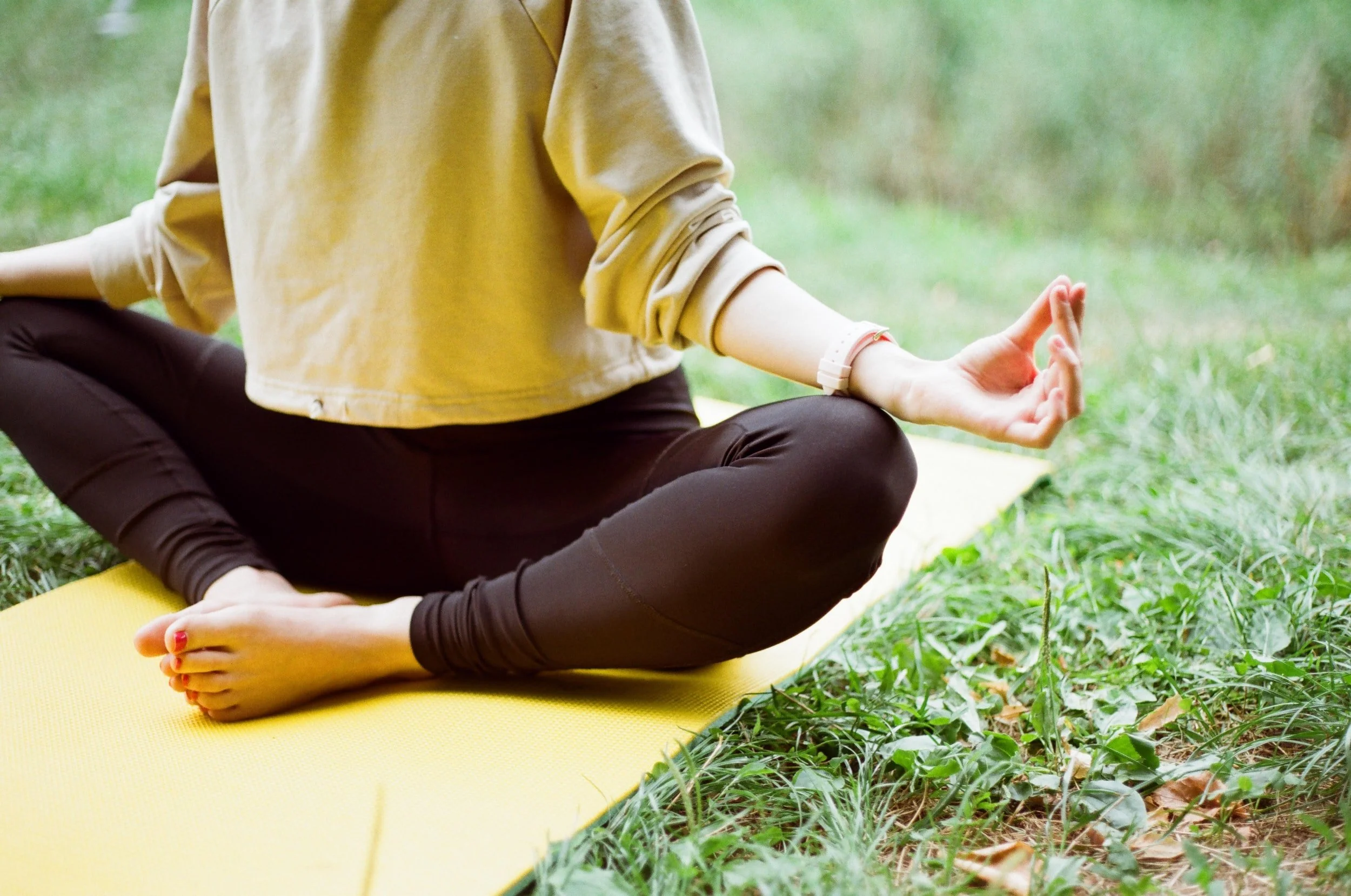
Week 3 - Solar Plexus Chakra Yin Yoga
The solar plexus chakra, or Manipura, is located in your naval area. It's responsible for confidence and self-esteem, as well as helping you feel in control of your life. It’s where we hold our personal power and each time we say Yes to something we really don’t want to do, we give our personal power away.
Week 4 - Heart Chakra Yin Yoga
The heart chakra is associated with love, compassion, and self-acceptance. As the centre point of the seven chakras, this energy centre is said to be where the physical and spiritual meet. in Sanskrit, the word Anahata means “unstuck,” and when this chakra is properly “aligned,” past emotional pain is said to no longer harm us.
When balanced, we are filled with love, compassion, and self-acceptance.
When imbalanced, we can be angry, jealous, sad, and untrusting.
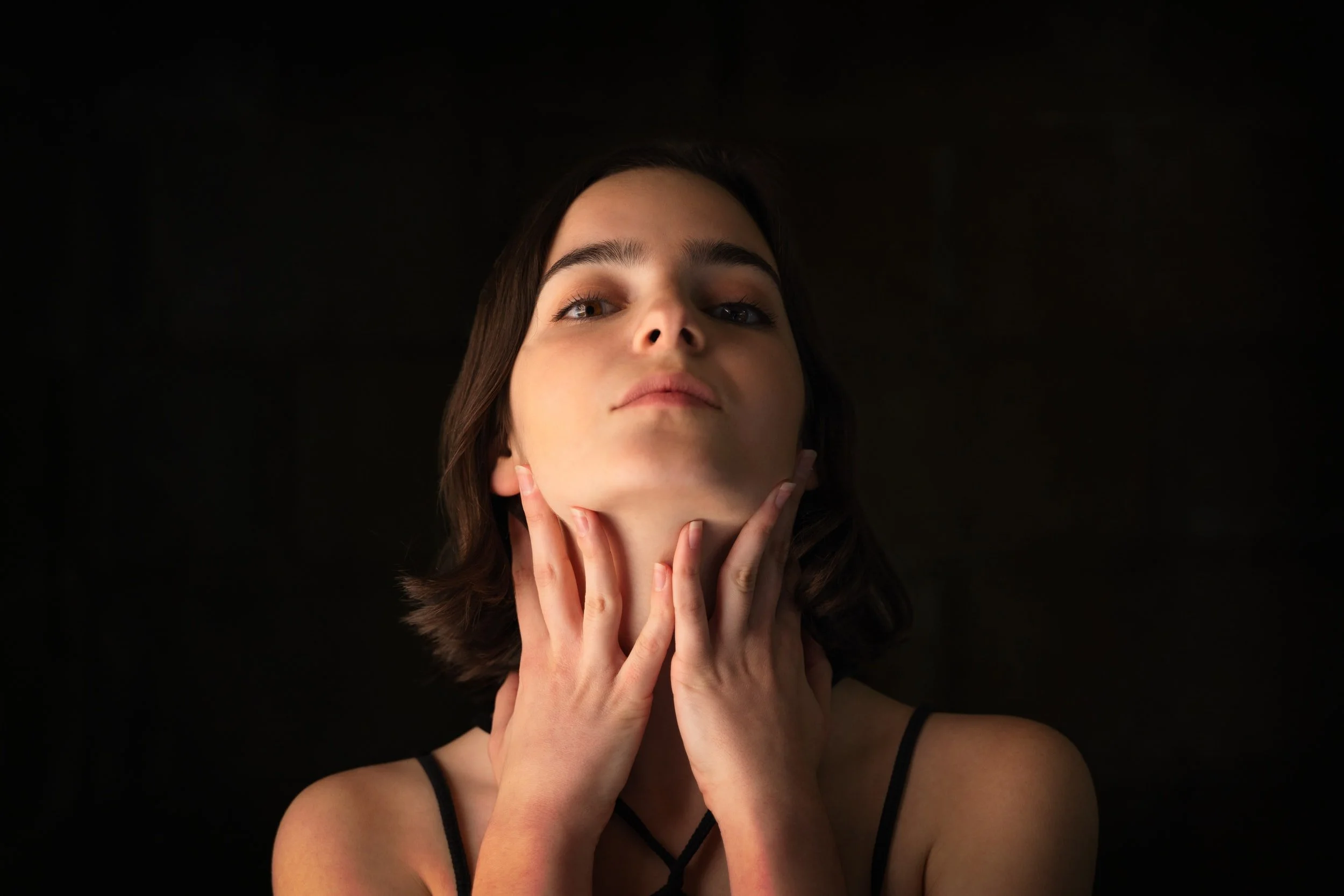
This element associates with communication, self-expression, self-worth, acceptance, acknowledgment, connection with the spirit, identity, pride, and humility. It connects to the Throat (Vishuddha Chakra), bringing out the best in a person.
It’s how we communicate with ourselves as much as we do with others, it’s where we speak our truth and are are our authentic selves.
Week 6 -Third Eye Chakra Yin Yoga
This chakra is said to be located in the centre of our forehead, parallel to the middle of your eyebrows. It's believed to be linked to perception, awareness, and spiritual communication. The third eye chakra can provide wisdom and insight, as well as deepen your spiritual connection.
It relates to our intuition and trusting in our own judgement to keep us safe and on the journey we want to be on.
Week 7 - Crown Chakra Yin Yoga
The Crown Chakra or Sahasrara, is essentially the spiritual self. Working on the Crown Chakra is all about focusing on the higher self our own self actualisation as Abraham Maslow termed it.. The Crown energy point is associated with the pursuit of spiritual peace and connecting to higher consciousness or state of being.
Body Health Yoga Classes
PLEASE READ FIRST
When you open the Class link you will find recommended Spotify music tracks to go with the session at the top of the page in blue writing, follow the link and play this first then return to the page with the Class postures on it and press ‘PLAY’ and the class will play with the correct timings for you and play a sound when you need to change posture.
Yoga for Knees
Knee pain is a common complaint that affects people of all ages. Knee pain may be the result of an injury, such as a ruptured ligament or torn cartilage. Medical conditions including arthritis, gout and infections can also cause knee pain.
A lack of strength and flexibility can increase the risk of knee injuries. Strong muscles help stabilise and protect your joints, and muscle flexibility can help you achieve a fuller range of motion.
Yoga helps to increase the flexibility and mobility to support strengthening of the muscles surrounding the knees.
Yoga for Lower Back
Lower back pain can be debilitating and yoga may be just what the doctor ordered. Yoga is a mind-body therapy that’s often recommended to treat not only back pain but the stress that accompanies it. The appropriate postures can relax and strengthen your body.
Practicing yoga for even a few minutes a day can help you gain a greater awareness of your body. This will help you notice where you’re holding tension and where you have imbalances. You can use this awareness to bring yourself into balance and alignment. There are more ligaments in the lower back than any other part of the body and building mobility and flexibility can be life changing for sufferers.e difference.
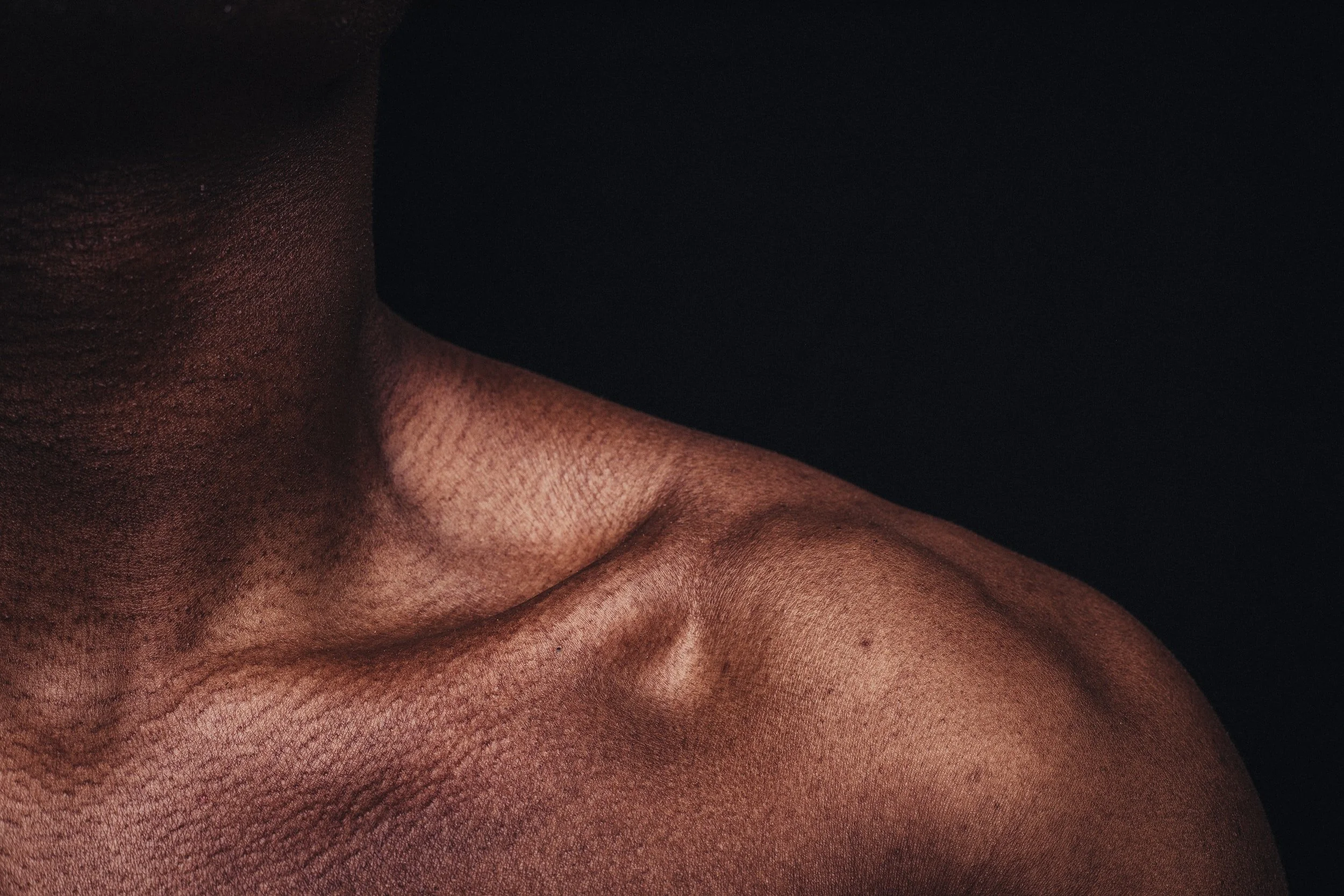
Yoga for Neck and Shoulders
Practicing yoga is an excellent way to get rid of neck pain.Several studies found yoga to provide pain relief and functional improvements for people who did yoga for just a few weeks. Through the practice, you can learn to release any tension you're holding in your body.